
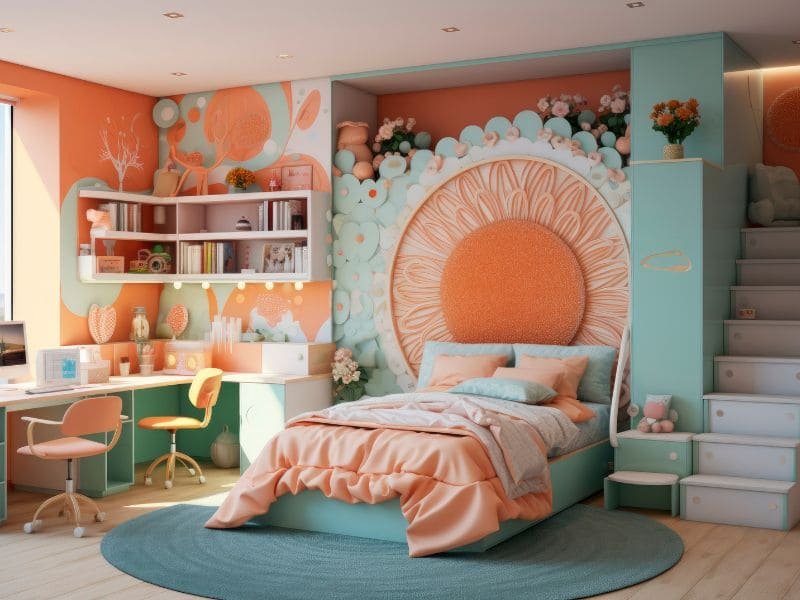
Designing a home is an exciting journey that combines creativity, functionality, and personal expression. Residential interior design is more than selecting furniture and choosing paint colors—it is a structured process that transforms a house into a comfortable, practical, and aesthetically pleasing home. Understanding each stage of the interior design process helps homeowners make informed decisions and ensures a smooth project from concept to completion.
Whether you are building a new home, renovating an existing property, or upgrading specific rooms, following a professional interior design process can help achieve the perfect balance between style, comfort, and functionality.
Understanding Client Requirements and Lifestyle Needs
Every successful residential interior design project begins with understanding the homeowner’s vision, preferences, lifestyle, and functional requirements. This initial consultation allows designers to gather essential information that guides the entire project.
- Discuss design preferences and inspirations
- Understand family size and lifestyle habits
- Identify functional requirements for each room
- Establish project goals and expectations
- Determine budget and project timeline
- Assess existing space conditions
A clear understanding of client requirements helps create a personalized design plan that reflects both aesthetic preferences and practical needs.
Site Analysis and Space Assessment
Before developing design concepts, interior designers conduct a thorough assessment of the property. This step helps identify opportunities and challenges within the space.
- Measure room dimensions accurately
- Evaluate natural lighting conditions
- Assess structural elements and layouts
- Review electrical and plumbing requirements
- Identify storage opportunities
- Analyze traffic flow and room functionality
A comprehensive site analysis ensures that design solutions are practical, efficient, and aligned with the property’s physical characteristics.
Creating the Design Concept and Mood Board
The design concept stage translates ideas into a visual direction for the project. Designers create mood boards and concept presentations that establish the overall look and feel of the home.
- Define the design style and theme
- Select color palettes and materials
- Choose furniture styles and finishes
- Explore lighting concepts
- Present inspiration images and references
- Create a cohesive design vision
Mood boards help homeowners visualize the final outcome and provide an opportunity to refine design preferences before moving forward.
Space Planning and Layout Development
Space planning is one of the most critical stages of residential interior design. It focuses on maximizing functionality while ensuring comfort and efficient movement throughout the home.
- Develop furniture layouts
- Define functional zones
- Optimize room circulation
- Improve space utilization
- Create ergonomic living environments
- Plan storage and organizational solutions
Effective space planning ensures that every room serves its intended purpose while maintaining a harmonious and balanced design.
Material and Finish Selection
Choosing the right materials and finishes significantly impacts the appearance, durability, and maintenance of the home. Interior designers carefully select materials that align with the overall design concept and lifestyle requirements.
- Flooring materials
- Wall finishes and paint colors
- Countertop selections
- Cabinet finishes
- Fabric and upholstery options
- Decorative accents and textures
Thoughtful material selection contributes to both visual appeal and long-term performance.
Furniture Selection and Customization
Furniture plays a vital role in defining the functionality and character of a home. Designers curate furniture pieces that complement the design style while meeting practical requirements.
- Sofas and seating arrangements
- Dining tables and chairs
- Bedroom furniture
- Storage units and wardrobes
- Entertainment units
- Custom-built furniture solutions
Custom furniture allows homeowners to maximize available space while achieving a unique and personalized interior.
Lighting Design and Planning
Lighting is essential for creating ambiance, enhancing functionality, and highlighting design features. A comprehensive lighting plan incorporates multiple layers of illumination.
- Ambient lighting for general illumination
- Task lighting for specific activities
- Accent lighting for decorative features
- Natural light optimization
- Smart lighting integration
- Energy-efficient lighting solutions
Proper lighting design improves both the aesthetics and usability of interior spaces.
Budget Planning and Cost Estimation
A realistic budget is essential for maintaining project control and ensuring successful execution. Interior designers prepare detailed cost estimates for materials, furnishings, labor, and installation.
- Furniture and décor costs
- Material procurement expenses
- Labor and installation charges
- Custom furniture costs
- Lighting and electrical expenses
- Contingency allowances
Effective budget planning helps avoid unexpected expenses and keeps the project on track.
Project Execution and Installation
Once designs are finalized and materials are selected, the implementation phase begins. This stage involves coordinating contractors, suppliers, and installers to bring the design vision to life.
- Civil and renovation work
- Electrical and plumbing installations
- False ceiling execution
- Flooring installation
- Furniture placement
- Décor and accessory installation
Professional project management ensures quality workmanship, timely completion, and adherence to design specifications.
Final Styling and Home Décor
The final styling phase adds personality and warmth to the home. Designers carefully curate decorative elements that enhance the overall design aesthetic.
- Artwork and wall décor
- Area rugs and carpets
- Decorative lighting fixtures
- Indoor plants and greenery
- Accent cushions and textiles
- Accessories and decorative objects
These finishing touches transform a well-designed space into a welcoming and lived-in home.
Post-Project Review and Client Handover
The final step in the residential interior design process involves a comprehensive review of the completed project. Designers conduct inspections to ensure all work meets quality standards and client expectations.
- Quality assurance checks
- Furniture and fixture inspection
- Address final adjustments
- Provide maintenance recommendations
- Client walkthrough and approval
- Project completion documentation
A successful handover ensures homeowners are completely satisfied with their newly designed living space.
Conclusion
The residential interior design process is a carefully planned journey that transforms ideas into functional and beautiful living environments. From understanding client requirements and developing design concepts to selecting materials and executing the final installation, every stage plays an important role in creating a home that reflects individual lifestyles and preferences.
Working with experienced residential interior designers helps streamline the process, minimize costly mistakes, and achieve exceptional results. By following a structured design approach, homeowners can create timeless interiors that enhance comfort, functionality, and long-term value.